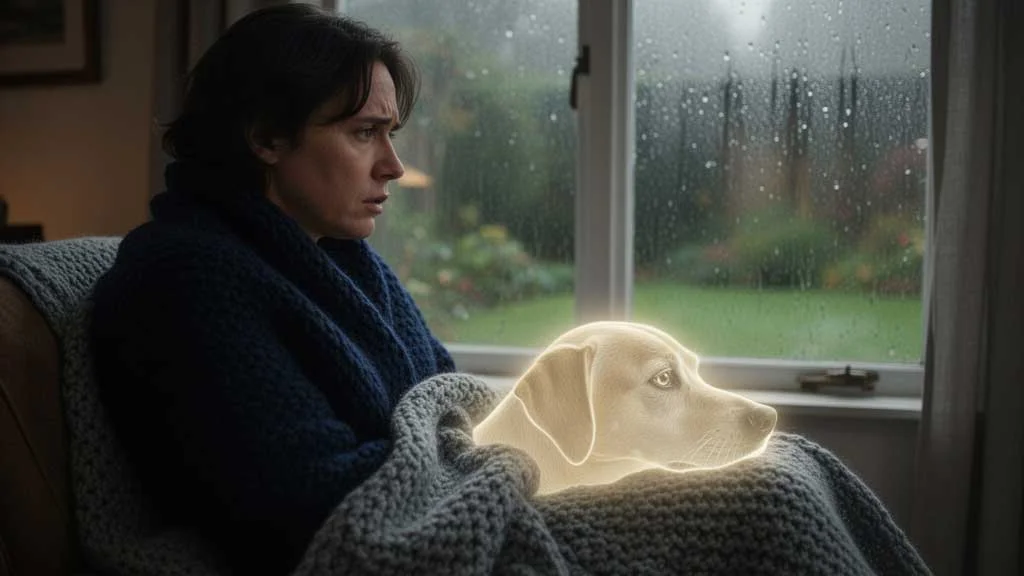
The First Hours After Losing Your Pet
Coping with pet loss in the first hours? This compassionate guide covers what to do when your pet dies, practical decisions about cremation and burial, emotional self-care, and how to find support during this difficult time.
The moment we lose our beloved pet, time seems to stop. Whether the loss was expected after a long illness or came suddenly without warning, nothing can truly prepare us for the overwhelming flood of emotions that follows. In those first hours after losing your pet, you may feel lost, confused, and utterly heartbroken. Your world has changed in an instant, and it's completely natural to feel unsure of what to do next.
This guide is here to help you navigate those difficult first hours after pet loss, offering both emotional support and practical guidance when you need it most.
Understanding Your Immediate Emotional Response
When a pet dies, the grief can be just as intense as losing a human family member. Your pet was a constant companion, a source of unconditional love, and an integral part of your daily routine. The bond you shared was real and meaningful, and your grief reflects the depth of that connection.
Common Emotions in the First Hours
In the immediate aftermath of pet loss, you may experience a wide range of emotions, including:
- Shock and disbelief – Your mind may struggle to accept what has happened, even if you were expecting it
- Overwhelming sadness – Waves of grief that feel physically painful
- Numbness – A protective response that helps you cope with the initial trauma
- Guilt – Questioning whether you did enough or made the right decisions
- Anger – At the situation, at yourself, or even at your pet for leaving
- Relief – Particularly if your pet was suffering, followed often by guilt about feeling relieved
- Physical symptoms – Tightness in your chest, difficulty breathing, nausea, or exhaustion
All of these responses are completely normal. There is no right or wrong way to grieve. Your emotions are valid, whatever form they take.
It's Okay to Not Be Okay
In those first hours after your pet's death, give yourself permission to fall apart. You don't need to be strong. You don't need to hold it together. The person who told you to "just get another pet" doesn't understand the unique, irreplaceable bond you shared with your companion.
Allow yourself to:
- Cry as much as you need to
- Sit with your pet's belongings
- Look through photos and videos
- Talk about your feelings, even if it's just to yourself
- Feel angry, confused, or numb
- Cancel plans without explanation
Grief is not a problem to be solved quickly. It's a journey that honours the love you shared.
Practical Matters: What to Do When Your Pet Dies
While it may feel impossible to think practically when you're consumed by grief, there are some decisions that may need to be addressed in the first hours after pet loss. Take your time with these if you can, and don't hesitate to ask for help.
If Your Pet Passed at Home
If your pet died at home, you have several options:
- Contact your veterinary surgery – Many vets offer collection services and can guide you through next steps, even outside regular hours
- Call a pet cremation service – Professional pet crematoriums can collect your pet from your home
- Keep your pet comfortable – If you need time before making decisions, place your pet on a cool surface or use ice packs wrapped in towels. This gives you time to say goodbye properly
If Your Pet Passed at the Vet
Your veterinary team will guide you through the options available. Don't feel pressured to make immediate decisions. Most practices will keep your pet's body safe while you take time to decide.
Choosing Between Cremation and Burial
This is a deeply personal decision, and there's no wrong choice. Consider:
- Individual cremation – Your pet is cremated alone, and you receive their ashes to keep, scatter, or place in a memorial urn
- Communal cremation – Your pet is cremated with other pets, and the ashes are scattered in a designated garden of remembrance
- Home burial – If you have a garden and local regulations permit, you may wish to bury your pet at home (check your local council guidelines)
- Pet cemetery – A dedicated resting place where you can visit
If you're unsure, it's perfectly acceptable to ask the vet to care for your pet while you take a day or two to decide.
Telling Family Members and Children
Breaking the news to family members, especially children, requires care and sensitivity.
Telling Children About Pet Loss
Children often experience pet loss as their first encounter with death. Be honest and use clear, simple language:
- Avoid euphemisms like "put to sleep" which can create confusion or fear around sleeping
- Explain that the pet's body stopped working and they have died
- Reassure them that it wasn't their fault
- Allow them to express their feelings and ask questions
- Include them in memorial activities if they wish to participate
Telling Other Family Members
If you share your pet with a partner, family members, or housemates, try to tell them in person or by phone rather than text message. Give them space to react in their own way.
Taking Care of Yourself: Physical and Emotional Self-Care
Grief is exhausting – both emotionally and physically. In the first hours and days after losing your pet, your body needs extra care even as your heart is breaking.
Physical Self-Care
- Stay hydrated – Crying depletes your body of fluids. Keep water nearby
- Eat something – Even if you have no appetite, try to have small, simple foods
- Rest when you can – Sleep may be difficult, but lie down and close your eyes when you feel exhausted
- Avoid alcohol – While it might seem to help initially, alcohol can intensify grief and disrupt sleep
- Get fresh air – Even a few minutes outside can help, though walking your usual route may be painful
Emotional Self-Care
- Don't isolate yourself – Reach out to someone who understands pet loss
- Write down your feelings – Journaling can help process overwhelming emotions
- Look at photos if it helps – Some find comfort in memories; others need distance. Both are okay
- Avoid making major decisions – Grief affects judgement. Put off big choices if possible
- Be patient with yourself – Grief comes in waves. Some moments will be harder than others
Reaching Out for Support
You don't have to go through this alone. The grief of losing a pet is real and deserves to be acknowledged and supported.
People Who May Understand
- Friends and family who knew and loved your pet
- Other pet owners who have experienced loss
- Online pet loss support communities
- Pet bereavement counsellors and helplines
- Your veterinary team – they understand pet loss deeply
Pet Bereavement Support in the UK
Several organisations offer free pet bereavement support:
- Blue Cross Pet Bereavement Support Service – A free telephone support line staffed by trained volunteers
- The Ralph Site – Online resources and support for pet loss
- PDSA Pet Loss Support – Resources and guidance for grieving pet owners
What to Do With Your Pet's Belongings
There's absolutely no rush to deal with your pet's bed, toys, food bowls, or lead. Some people find comfort in keeping these items nearby in the first hours and days. Others need them out of sight immediately. Both responses are completely normal.
Options for when you're ready:
- Keep meaningful items in a memory box
- Donate unused food and supplies to an animal shelter
- Give a favourite toy to a friend's pet who knew yours
- Keep their collar or tag as a keepsake
There's no timeline for this. Do what feels right for you.
Creating an Immediate Memorial
Some people find comfort in creating a small tribute in those first hours. This might include:
- Lighting a candle in your pet's memory
- Setting up a small space with their photo and a favourite toy
- Writing them a letter saying everything you wish you could tell them
- Starting a digital memorial where family and friends can share memories
These small acts can provide comfort and help you begin processing your loss.
The Days Ahead
The first hours are often the hardest, but the days and weeks ahead will bring their own challenges. You may experience:
- Reaching down to pet them out of habit
- Listening for sounds that will never come – the jingle of their collar, the padding of their paws
- Forgetting momentarily, then remembering with fresh pain
- Unexpected triggers that bring tears
- Dreams about your pet
All of this is part of grief. It's not linear, and healing doesn't mean forgetting. Your love for your pet will always be part of you.
"Grief is the price we pay for love." – Queen Elizabeth II
You Are Not Alone
Millions of people around the world understand exactly what you're going through right now. The loss of a pet is a profound grief, and you deserve compassion and support as you navigate these first difficult hours.
Your pet was a cherished member of your family. The depth of your grief is a testament to the depth of your love. That love doesn't end with death – it transforms into memory, into gratitude, and into the beautiful tribute of a life well-lived and well-loved.
Take one moment at a time. Be gentle with yourself. And know that however you're feeling right now, it's okay.