The Empty House: Adjusting to Life Without Them
Coming home to an empty house after pet loss is heartbreaking. Learn how to cope with the silence, disrupted routines, and painful reminders. Strategies for making your house feel like home again.
Coming home to a house without your pet is one of the most heartbreaking experiences of pet loss. The silence hits you the moment you open the door. No excited greeting, no wagging tail, no familiar meow. Just emptiness where there used to be life, love, and the constant companionship you'd grown so accustomed to that you almost took it for granted.
If your house feels unbearably empty right now, you're not alone. This feeling is one of the most common – and most painful – aspects of grieving a pet. Understanding why it hurts so much, and learning strategies to cope, can help you navigate this difficult time.
Why the Empty House Hurts So Much
Your pet wasn't just an animal who lived in your home – they were an integral part of it. They shaped your space, your routines, and your daily experience in countless ways:
- They were your constant companion – Present in ways human family members often aren't
- They structured your day – Feeding times, walks, and play created rhythm
- They filled the silence – Their sounds were the soundtrack of your home
- They greeted you – Making coming home feel like coming home
- They shared your space – Lying at your feet, sleeping on your bed, sitting in their favourite spot
- They needed you – Giving you purpose and responsibility
When they're gone, all of this disappears at once. The emptiness isn't just emotional – it's physical, auditory, and deeply disorienting.
The Changes You'll Notice
Every corner of your home may remind you of your loss. You might notice:
Visual Reminders
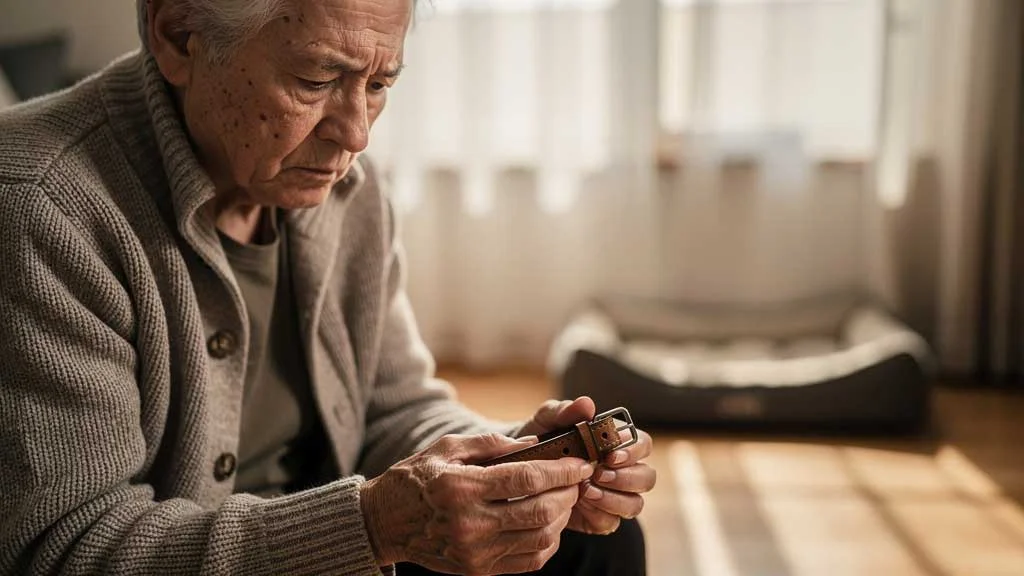
- Their favourite sleeping spot sits empty
- The indent in the sofa where they always lay
- Their food and water bowls still in the kitchen
- Toys scattered where they left them
- Nose prints on windows they used to look through
- Their lead hanging by the door
- The worn patch on the carpet where they always lay
Sound Changes
- No collar tags jingling
- No paws padding across the floor
- No barking at the postman or meowing for attention
- No snoring or breathing beside you at night
- The TV or radio seems louder without their background presence
- Your own footsteps echo in the silence
Routine Disruptions
- No one to feed in the morning or evening
- No walks to structure your day
- No reason to rush home from work
- No bedtime routine of letting them out
- No one following you from room to room
- Mealtimes feel purposeless
Physical Absence
- No warm body to stroke or cuddle
- No weight at the end of the bed
- No one to greet you when you walk through the door
- Empty space beside you on the sofa
- No one underfoot in the kitchen
The Hardest Moments
Certain moments in the empty house may be particularly painful:
Coming Home
The moment you open the front door may be the hardest. You might:
- Expect to see them and feel crushed when you don't
- Find the silence overwhelming
- Feel reluctant to come home at all
- Dread putting your key in the door
Mornings
Waking up without your pet can set a difficult tone for the day:
- No one to let out first thing
- No excited morning greeting
- The morning routine feels hollow
- No reason to get up at a certain time
Evenings
The long, quiet evenings may feel endless:
- No companion to sit with while watching TV
- No evening walk or playtime
- The hours stretch emptily
- Bedtime without them is lonely
Weekends
When unstructured time stretches ahead:
- No walks to plan or parks to visit
- The home feels especially empty without work to distract you
- Activities you did together are painful to contemplate
Coping Strategies for the Empty House
While nothing can fill the space your pet left, there are strategies that can help you cope with the emptiness.
Immediate Coping Techniques
- Play background noise – Music, podcasts, radio, or TV can fill the silence
- Open windows – Let in outside sounds: birds, traffic, life
- Invite people over – Human presence can help the house feel less empty
- Leave lights on – A dark house can feel more oppressive
- Spend time in different rooms – Avoid the spaces that trigger you most, when needed
- Allow yourself to cry – Let the grief out in the spaces you shared
Changing Your Space
Some people find it helpful to make physical changes:
- Rearrange furniture – Changing the layout can shift the energy
- Move their bed or belongings – Out of sight, or into a dedicated memorial space
- Deep clean – Sometimes a fresh start helps
- Add new elements – Plants, cushions, or artwork can change a room's feel
- Change your own spot – Sit somewhere different than usual
Others find comfort in keeping things exactly as they were. Both approaches are valid – do what feels right for you.
Creating New Routines
The old routines centred on your pet are gone, but creating new ones can help:
- Morning ritual – Coffee in a sunny spot, journaling, or stretching
- Evening routine – A walk (even without a pet), yoga, or calling a friend
- Meal times – Eat at the table, cook something special, make food meaningful again
- Bedtime – Create a new wind-down routine that brings comfort
Filling the Time
The hours you used to spend with your pet now stretch emptily. Consider:
- Pick up a hobby – Something that occupies your hands and mind
- Exercise – Walking, running, or gym sessions can replace pet walks
- Volunteer – At an animal shelter or elsewhere
- Take a class – Learn something new to fill evenings
- Connect with others – Schedule regular calls or visits with friends
- Join a group – Book clubs, walking groups, or other social activities
What to Do With Their Things
Seeing your pet's belongings around the house can be comforting or painful – sometimes both. There's no right answer about what to do with their things.
Options to Consider
- Keep everything as it is – For as long as you need
- Put items away temporarily – In a cupboard or box, accessible but out of sight
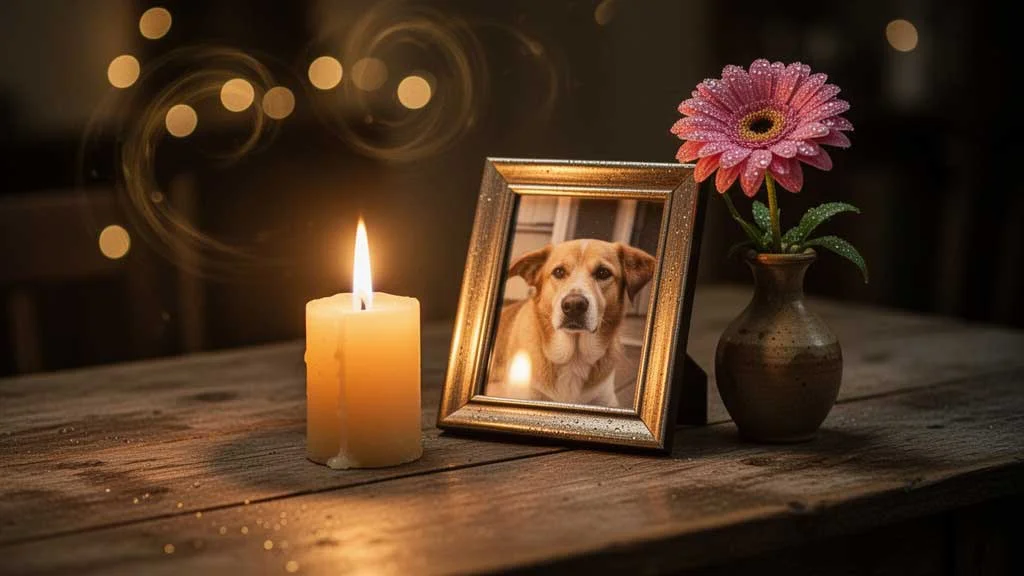
- Create a memorial corner – A dedicated space with their photo, collar, and favourite toy
- Keep selected items – Choose the most meaningful; let go of the rest
- Donate supplies – Food, unused items, and bedding to shelters
- Give to friends' pets – Toys or items can bring joy to another animal
- Create something new – Have their collar made into a keyring, or their blanket into a cushion
There's No Timeline
Some people put away their pet's things immediately; others keep them for months or years. Both are okay. Trust yourself to know when – if ever – you're ready to make changes.
When You Have Other Pets
If you have other pets in the house, the dynamic will have changed:
- Remaining pets may grieve too, searching for their companion
- They may become clingy, seeking extra attention
- Or they may withdraw, processing their own loss
- The house may feel less empty but still different
- You may feel guilty for feeling sad when you still have pets
Give remaining pets extra love and attention. Maintain their routines. And know that your grief is valid even if the house isn't completely empty.
Considering Another Pet
When the house feels unbearably empty, you may think about getting another pet. This is a significant decision that deserves careful thought:
- There's no right timeline – Some people need time; others heal by loving again
- A new pet won't replace the one you lost – But they can bring new love
- Wait until you're thinking about what you can give – Not just what you'll receive
- Don't let others pressure you – Either way
- Consider fostering first – A way to have animal presence without permanent commitment
If Living Alone
Living alone after pet loss can be especially difficult. Your pet may have been your primary companion, and their absence leaves a profound void.
- Reach out to others – Don't isolate yourself
- Consider regular calls or video chats – Scheduled connection helps
- Adopt new routines that get you out of the house – Coffee shops, libraries, classes
- Think about company – Could a housemate or regular visitor help?
- Allow yourself to grieve the companionship specifically – This loss is significant
The House Will Feel Like Home Again
It doesn't feel like it now, but the empty house will eventually become comfortable again. The silence will soften. New routines will form. The painful reminders will become bittersweet memories.
This doesn't mean you'll forget your pet or stop missing them. It means you'll learn to live in a space that holds their memory while also holding your present life.
"The house may feel empty, but your heart is full of memories. In time, those memories will be what fill the silence."
Be patient with yourself. Be gentle with the process. And know that home isn't just a place – it's the love that happened there. That love hasn't left. It's just changed form.